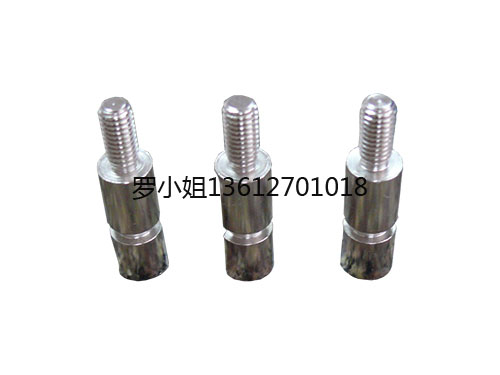
Metal lathe parts are metal components processed by lathes and play a crucial role in multiple fields such as mechanical manufacturing, electronic appliances, and hardware tools. Their core functions can be summarized as follows:
1. Achieve precision processing to meet the requirements of high precision
Lathe parts achieve high-precision processing through turning techniques, with tolerances controllable within ±0.01 millimeters (such as automatic lathe parts), and even up to ±0.002 millimeters (such as CNC lathe parts). This precision makes it an ideal choice for the following scenarios:
In the field of electronics and electrical appliances: It is used to manufacture micro connectors and shaft parts for products such as mobile phones, cameras, and computers, ensuring the stability of signal transmission and structural compactness.
Precision instrument industry: Processing small parts such as watch gears and instrument shafts to meet micron-level precision requirements.
In the aerospace field: Produce high-precision threads, bearings and other key components to ensure the reliability of equipment operation.
Second, support complex structures and expand design possibilities
Lathe parts can be processed into complex shapes through CNC numerical control technology, supporting multi-process continuous operation, and are suitable for the following scenarios:
Manufacturing of special-shaped parts: such as non-standard shafts and sleeves in toys and handicrafts, through the combination of secondary processing like turning, milling and drilling, the unity of function and aesthetics is achieved.
Integrated structural design: Reduces assembly steps. For instance, in fitness equipment, connecting rods and gear assemblies are formed in multiple parts through single-piece turning, enhancing structural strength.
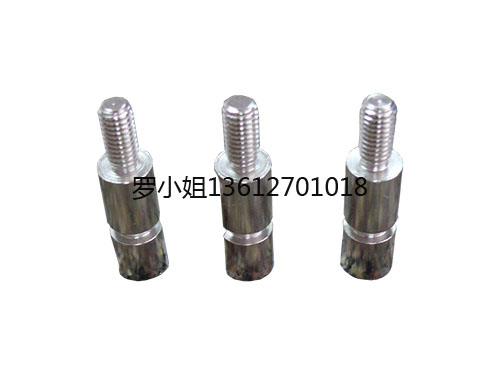
Lightweight application: By using materials such as aluminum alloy and titanium alloy to process parts like automotive drive shafts and bicycle flower drums, weight can be reduced while ensuring strength.
Third, enhance production efficiency and reduce manufacturing costs
Lathe parts processing is characterized by high efficiency and flexibility, and is suitable for different production scales
Mass production: Automatic lathe parts, through high-speed rotary cutting, have a short single-piece processing time and are suitable for the large-scale manufacturing of standardized parts such as electronic components and hardware tools.
Small-batch customization: CNC lathes can quickly change models through program control without the need for mold investment, meeting the small-batch and multi-variety demands of medical devices, scientific research equipment, etc.
Quick response to the market: The short processing cycle of lathes can shorten the time from product design to mass production. For example, when 3C products are iterated, lathe parts can quickly adapt to new structural requirements.
Fourth, ensure the realization of functions and enhance product performance
Through material selection and process optimization, the core performance of lathe parts is directly enhanced.
Wear resistance: Stainless steel lathe parts are used to manufacture tools and bearings. Through heat treatment processes, the surface hardness is enhanced to extend the service life.
Corrosion resistance: Copper alloy lathe parts are used in Marine equipment and chemical valves, resisting salt spray, acid and alkali corrosion.
Conductivity: Pure copper lathe parts are used in motor rotors and connectors to ensure low resistance and high current transmission efficiency.
Sealing performance: Precision thread turning machine parts are used in hydraulic cylinders and pneumatic components, achieving leak-free sealing through high-precision fit.
V. Promote industrial upgrading and empower intelligent manufacturing
With the development of technology, lathe parts have been deeply integrated with automation and digitalization
Intelligent lathe integration: Combining sensors and Internet of Things technology, it can monitor processing parameters in real time, automatically adjust cutting conditions, and improve the yield of qualified products.
Flexible manufacturing system: Lathes work in coordination with robots and AGVs to achieve unmanned production, such as 24-hour continuous processing of automotive parts.
Additive manufacturing integration: By 3D printing complex blanks in advance and then precisely processing them on a lathe, the R&D cycle is shortened and material waste is reduced.
Typical application cases
In the automotive industry, lathe parts such as drive shafts and universal joints are processed with high precision to reduce vibration and noise and enhance driving comfort.
Medical devices: Miniature shaft parts for surgical instruments, with tolerances controlled within ±0.005 millimeters to ensure operational accuracy.
In the energy sector, the shaft lathe parts in wind power gearboxes are subjected to high torque and impact loads, ensuring the long-term stable operation of the equipment.
Dongguan Jingzhuan Electronic Technology Co., Ltd. © Copyright 2025
【Backend】本站相关网页素材及相关资源均来源互联网,如有侵权请速告知,我们将会在24小时内删除