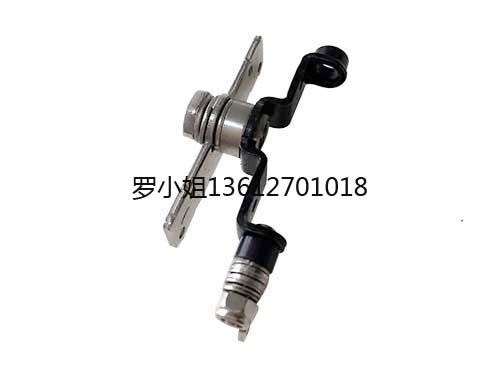
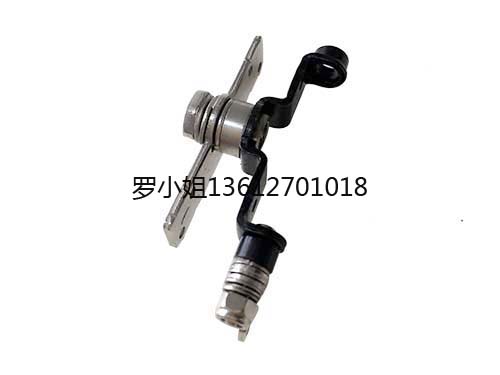
The rotating shaft of a digital photo frame is a key component that connects the main body of the photo frame with the screen or support structure. Its core function is to achieve multi-angle adjustment and stable support of the photo frame through rotation or flipping, while also taking into account durability and user experience. The following is the specific function analysis:
First, achieve multi-angle adjustment to enhance the flexibility of use
The screen Angle can be freely adjusted
The rotating shaft, through damping design or gear structure, allows users to tilt the screen to the optimal Angle (such as the range of 0°-180°) according to the light, viewing distance or desktop height. For example, when placed on the desktop, it can be adjusted to a vertical or slightly backward Angle to avoid reflection. When wall-mounted, the screen can be flipped to achieve horizontal or vertical display.
Folding and storage function
Some digital photo frames adopt a foldable hinge design, allowing the screen to fully fit the back of the frame, reducing space occupation and making it convenient to carry or store. For instance, when a travel digital photo frame is folded through a hinge, its volume is reduced by more than 50%.
Second, provide stable support to ensure the reliability of the structure
Load-bearing capacity and impact resistance
The rotating shaft needs to bear the weight of the screen (usually 0.5kg-2kg) and external forces during daily operation (such as pressing and collision). High-quality rotating shafts are made of metal materials (such as stainless steel, aluminum alloy) or high-strength engineering plastics, and their structural strength is ensured through precise processing. For instance, the rotating shaft of a certain brand of digital photo frame can still maintain its initial damping sensation after passing 100,000 opening and closing tests.
Anti-loosening design
The interior of the rotating shaft is locked by springs, clips or threads to prevent the screen from sagging or shaking after long-term use. For instance, a rotating shaft with a double-bearing structure can disperse stress, reduce single-point wear and extend its service life.
Iii. Optimize user experience and meet scenario-based demands
One-handed operation convenience
The damping coefficient of the rotating shaft has been carefully calibrated, allowing users to easily adjust the screen Angle with one hand, and the adjustment process is smooth without any lag. For instance, the rotating shafts of high-end digital photo frames are designed with hydraulic or magnetic attraction assistance to achieve "stepless speed regulation".
Silent design
Sound-absorbing gaskets or lubricating coatings are embedded inside the rotating shaft to reduce friction noise during rotation and avoid interfering with the user's viewing experience. For instance, the noise level of the rotating shaft of the digital photo frame used in the bedroom is below 30 decibels, approaching the ambient background noise.
Compatibility design
The hinge needs to be compatible with screens of different sizes (such as 7 inches to 15 inches) and installation methods (such as desktop stands, wall mounting holes). For instance, the modular hinge design enables quick interface replacement and supports multi-scenario switching.
Fourth, support product innovation and expand functional boundaries
Touch screen adaptation
With the popularization of touch digital photo frames, the hinge needs to support the stable response of the screen to touch operations when it is tilted. For instance, a suspended hinge design is adopted to maintain a tiny gap between the screen and the main body of the photo frame, preventing displacement during touch.
Intelligent sensing integration
Some high-end rotating shafts are equipped with Angle sensors that can automatically detect the screen's tilt Angle and trigger corresponding functions. For example, when the screen is flipped to a vertical position, it automatically switches to calendar mode; When flipped to the horizontal position, start the album carousel.
Wireless charging compatibility
The rotating shaft area reserves space for wireless charging coils to achieve the integration of screen adjustment and charging functions. For instance, a certain brand of digital photo frame integrates a Qi protocol charging module at the bottom of the hinge, supporting wireless charging of the screen at any Angle.
V. Typical Application Cases
In a home setting: The digital photo frame placed on the desktop is adjusted to an Angle level with the line of sight through the hinge to avoid neck fatigue caused by looking down for a long time.
Business display: The rotating shafts of the digital photo frames in the shopping mall Windows support 360° rotation, making it convenient for customers to watch product promotion videos from different directions.
Outdoor use: The rotating shaft of the waterproof digital photo frame adopts a sealed design to prevent rainwater from entering, and it also supports adjusting the screen to the best viewing Angle under strong light.
Dongguan Jingzhuan Electronic Technology Co., Ltd. © Copyright 2025
【Backend】本站相关网页素材及相关资源均来源互联网,如有侵权请速告知,我们将会在24小时内删除